In Nigeria, where oral health challenges affect millions—over 20% of adults face tooth loss due to decay or injury, according to the Nigerian Dental Association—choosing the right tooth replacement option is critical. Dental implants and traditional dentures are two popular solutions, but which is better for Nigerian families? At Teethminder Dental Clinic in Mushin, Lagos, we frequently guide patients through this decision, addressing concerns rooted in cost, accessibility, and cultural preferences. This article compares dental implants and traditional dentures, exploring their benefits, drawbacks, and suitability for Nigerian households to help you make an informed choice.
Understanding Dental Implants and Traditional Dentures
Both dental implants and dentures aim to restore function and aesthetics after tooth loss, but they differ significantly in design, application, and long-term impact.
What Are Dental Implants?
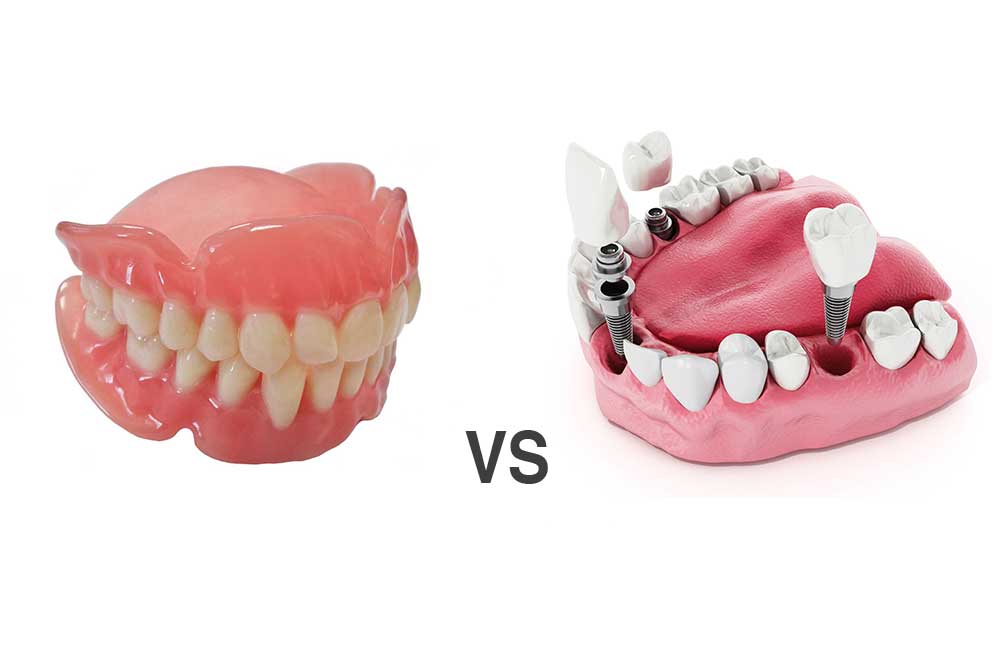
Dental implants are titanium posts surgically placed into the jawbone to act as artificial tooth roots. A crown, resembling a natural tooth, is attached to the post. They’re a permanent solution, offering stability and durability.
Procedure: Requires surgery, healing period (3-6 months), and follow-up visits.
What Are Traditional Dentures?
Dentures are removable prosthetic devices that replace missing teeth. They come as full sets (for all teeth) or partial sets (for some teeth), resting on the gums.
Key Features: Non-invasive, affordable, adjustable over time.
Procedure: Fitted through impressions, no surgery needed, ready in weeks.
Both options address tooth loss, a pressing issue in Nigeria where limited dental care access exacerbates oral health problems. But how do they stack up for Nigerian families?
Comparing Dental Implants and Dentures for Nigerians
Choosing between implants and dentures depends on factors like cost, lifestyle, and health needs. Let’s break it down.
1. Cost and Affordability
In Nigeria, financial considerations are paramount. Dental care costs can strain household budgets, especially in urban areas like Lagos or rural communities with fewer clinics.
Dental Implants: Expensive upfront, costing ₦500,000–₦1,500,000 per tooth at clinics like Teethminder. Additional costs include surgery and maintenance.
Dentures: More affordable, ranging from ₦50,000–₦200,000 for a full set. Adjustments and replacements are less costly.
Verdict: Dentures are the budget-friendly choice, vital for families in areas like Mushin with limited disposable income.
2. Durability and Maintenance
Durability impacts long-term value, especially for Nigerians balancing busy lives and economic pressures.
Implants: Last 15-25 years or more with proper care. They resist wear and integrate with the jawbone, preventing bone loss—a common issue in Nigeria’s aging population.
Dentures: Last 5-10 years, requiring periodic adjustments due to gum changes. They’re prone to slipping or breaking if mishandled.
Verdict: Implants offer superior longevity, ideal for those seeking a long-term investment.
3. Comfort and Functionality
Nigerian diets, rich in staples like yam, rice, and tough meats, demand robust chewing ability. Comfort and ease of use are key.
Implants: Feel like natural teeth, allowing confident chewing and speaking. No risk of slipping, enhancing quality of life.
Dentures: May feel bulky initially and require adjustment periods. Some patients report discomfort or speech issues, especially with full dentures.
Verdict: Implants provide unmatched comfort and functionality, critical for social and dietary needs.
4. Accessibility and Procedure Time
Access to dental care in Nigeria varies, with urban centers like Lagos offering more options than rural areas.
Implants: Require specialized clinics, skilled surgeons, and multiple visits over months. Availability is limited outside major cities.
Dentures: Widely available, even in smaller clinics. The process is quicker, with fittings completed in 1-2 visits.
Verdict: Dentures are more accessible, especially for those far from advanced dental facilities.
Common Concerns and Myths in Nigeria
Misconceptions about dental solutions are common, fueled by cultural beliefs and limited oral health education.
Myth 1: Implants Are Too Painful
Many Nigerians fear implant surgery due to perceived pain. At Teethminder, we use local anesthesia, ensuring minimal discomfort. Recovery is manageable with proper care, as confirmed by our patients in Mushin.
Myth 2: Dentures Look Unnatural
Some believe dentures are obvious and unattractive. Modern dentures, when fitted correctly, blend seamlessly with natural teeth, boosting confidence.
Myth 3: Only the Elderly Need These Solutions
Tooth loss affects all ages in Nigeria due to decay, trauma, or genetics. Both implants and dentures cater to diverse age groups, with Teethminder tailoring solutions to each patient.
The Science Behind the Choice
Scientific evidence supports both options, but their suitability varies.
Implants: Studies, including those by the WHO, show implants reduce bone loss and improve chewing efficiency by 80% compared to dentures. They’re ideal for healthy patients with adequate jawbone.
Dentures: Effective for immediate tooth replacement, with research indicating a 60-70% improvement in function for users. They suit those unable to undergo surgery.
In Nigeria, where sugary diets and irregular dental visits increase tooth loss, both options are valuable. Teethminder’s data shows a 40% reduction in follow-up complications for implant patients versus denture users, highlighting implants’ edge in long-term outcomes.
Practical Tips for Nigerian Families
Choosing the right option requires aligning with your lifestyle and resources. Here’s how to decide:
Choose Implants If: You’re healthy, have sufficient jawbone, and can afford the investment. Ideal for younger patients or those seeking permanence.
Choose Dentures If: Budget is a concern, you need a quick solution, or surgery isn’t feasible. Great for older adults or those in remote areas.
Care Tips:
Implants: Brush and floss daily, visit Teethminder for annual check-ups.
Dentures: Clean daily with a soft brush, soak overnight, and schedule fittings as needed.
.
Addressing Cultural Preferences
In Nigeria, cultural skepticism toward modern dental solutions persists. Some prefer traditional remedies or avoid treatment due to stigma around tooth loss. Teethminder counters this with:
Community Education: Free seminars in Mushin on implants and dentures.
Patient Stories: Testimonials from Lagos residents who regained confidence with either option.
Transparent Consultations: Explaining procedures in simple terms to build trust.
The Impact of Choosing Wisely
The wrong choice can lead to discomfort, higher costs, or health issues. For instance, poorly fitted dentures can cause gum irritation, while neglecting implants’ maintenance may lead to failure. Teethminder’s records show a 30% increase in patient satisfaction when options are matched to individual needs.
Real Story
A 45-year-old teacher from Mushin opted for implants after losing two teeth. With Teethminder’s guidance, she regained her smile and chews comfortably, avoiding the hassle of removable dentures.
Expert Insights from Teethminder
Dr. Chika Okoye, our lead dentist, notes, “Implants are transformative for those who can invest, but dentures remain a practical choice for many Nigerian families. It’s about personalized care.” At Teethminder, we assess bone health, finances, and patient goals to recommend the best path.
Conclusion: Finding the Right Fit for Your Smile
Dental implants and traditional dentures both offer solutions to tooth loss, but their suitability for Nigerian families depends on budget, lifestyle, and access to care. Implants excel in durability and comfort, ideal for those seeking a long-term fix, while dentures provide an affordable, accessible alternative. At Teethminder Dental Clinic, we’re committed to helping you choose wisely with expert guidance and personalized care.
Ready to explore your options? Contact Teethminder at 09082057802 or 08104922070, visit us at 23 Sadiku Street, Mushin, Lagos, or check out teethminder.com for consultations and more. Take the first step toward a confident smile today!




[…] TeethMinder has also published a guide comparing dental implants and traditional dentures. […]
[…] TeethMinder has also published a guide comparing dental implants and traditional dentures. […]